Visitor Tips for Egyptian Museums and Excursions
Editorial notes on the practical realities of museum and excursion visiting in Egypt. None of these tips are obvious from a guidebook chapter, but each one will measurably improve your experience — saving you queueing time, avoiding common scams at major sites, and helping you not collapse from heat exhaustion in August.
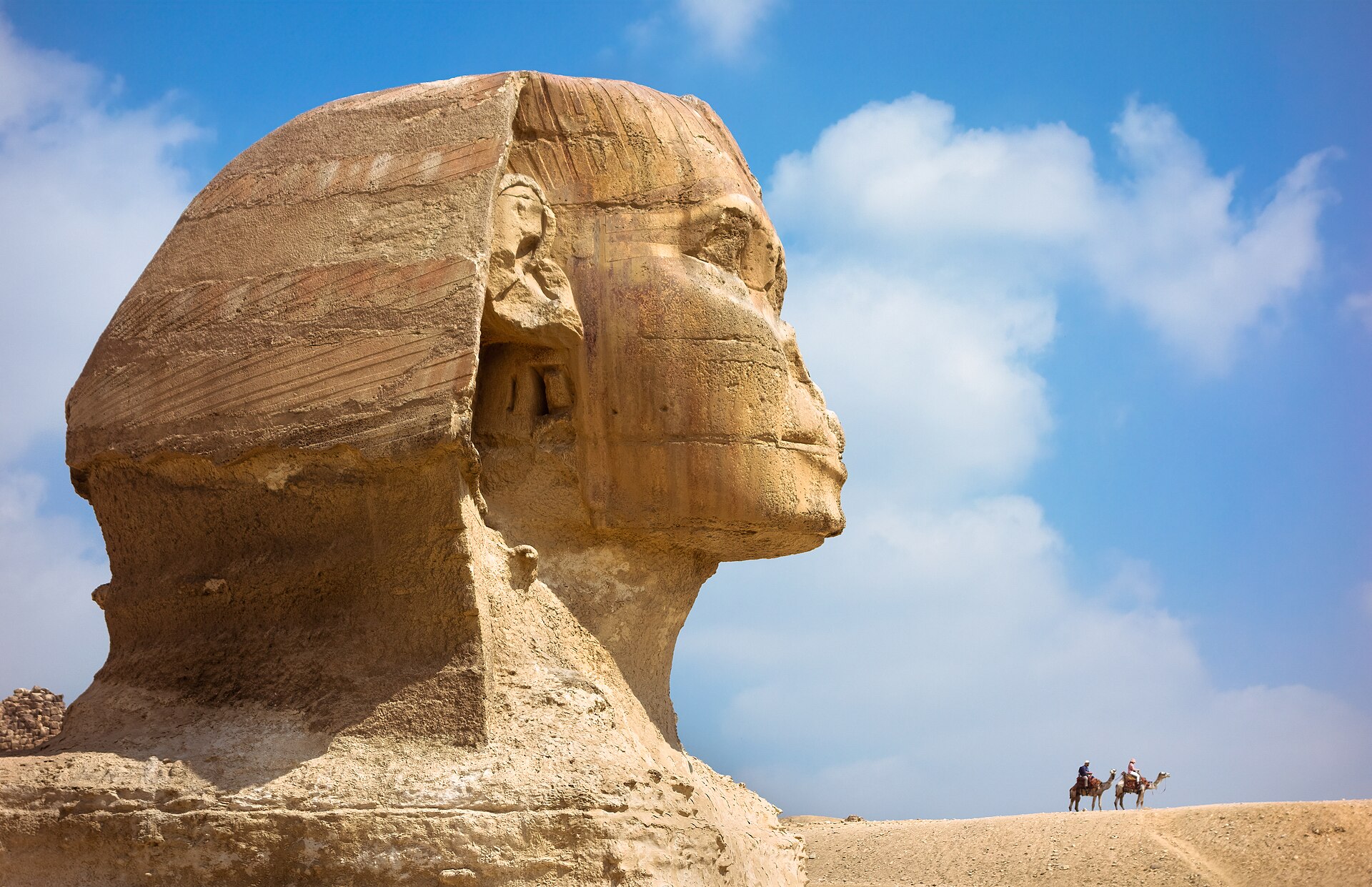
Best hours to enter major sites
Every open-air monument in Egypt is a different place at 08:00 than it is at 13:00. Tour coaches typically depart Cairo and Luxor hotels between 08:30 and 09:30, which means the worst crowding hits sites between 10:00 and 12:30. If you can be on site at opening, you will have an almost different experience — fewer people in your photographs, lower temperatures, less haggling pressure from souvenir sellers.
Specifically: Giza Plateau opens at 08:00, Valley of the Kings at 06:00 in summer / 07:00 in winter, Karnak at 06:00, Abu Simbel at 05:00 (the convoy arrives there at sunrise). Museums are the opposite — better visited in the hot afternoon when the open-air sites would be punishing.
Tickets and ticket counters
Almost all major sites have a foreign-visitor rate and a resident rate. Show your passport at the counter (some sites accept a photo of the data page). Tickets are paid in Egyptian Pounds — bring cash, since not every counter accepts cards reliably. Larger sites now have ATMs nearby; we recommend withdrawing at the airport on arrival rather than relying on remote-site ATMs.
The Egyptian Tourist Office sells a multi-site Luxor Pass and an Aswan-area pass that can be cost-effective if you plan to visit four or more sites in a region. Both are available at the major ticket offices and require a passport-size photo.
Photography rules
Photography is permitted at most outdoor sites but often restricted inside tombs and museums. Where flash photography is forbidden, the rule is strictly enforced — guards will ask you to delete photos. At the Royal Mummies Hall in Cairo and inside the Tutankhamun gallery at GEM, photography is completely prohibited. A separate "camera ticket" is required at some sites for DSLR-class cameras; phone cameras are usually included in the standard ticket.
Dress codes and modest dress
Egypt is culturally conservative. For museum and archaeological visits, knee-length shorts and short-sleeved shirts are acceptable for all genders. For religious buildings — mosques, Coptic churches, Saint Catherine’s Monastery — long trousers or long skirts and shoulders covered are required. Women may be asked to cover their hair in active mosques; carrying a light scarf in your bag solves this in seconds.
Tipping (baksheesh)
Tipping is part of the local economy and refusing to tip in contexts where it is expected creates friction for everyone. Realistic guidelines:
- Tomb guards who unlock a closed area or point out a hidden detail: 20–50 EGP.
- Hotel porters: 30–50 EGP per bag.
- Restaurant servers: round up plus 10% on top of the service charge already listed.
- Drivers on day trips: 100–200 EGP at the end of the day.
- Toilet attendants at public facilities: 5–10 EGP.
Carry small denominations (5, 10, 20 EGP notes) deliberately. Trying to break a 200 EGP note for a small tip is awkward and slow.
Heat, hydration and sun protection
Between May and September, midday temperatures in Cairo regularly exceed 38°C and in Aswan can reach 45°C. The risk is not heat alone but the combination of sun, low humidity, and physical exertion at open-air sites with no shade.
Carry at least two litres of bottled water per person for any half-day site visit. Refill at hotels rather than purchasing bottled water at site gates, which is sold at multiples of the regular price. A wide-brimmed hat is more practical than a baseball cap; sunscreen with SPF 50 and lip protection are not optional.
Common scams to recognise
Most encounters with vendors and would-be guides in Egypt are honest. A small number of patterns repeat at major sites, and recognising them removes the irritation:
- The "free" camel photo at Giza — the camel-driver will ask for a substantial fee once you are mounted. Agree the price in writing-equivalent (clear hand gestures and a confirmed number) before getting on.
- The "your hotel is closed" taxi at Cairo airport — the driver insists your hotel has burned down and offers to take you to a "better" one. Ignore and use ride-hailing.
- The "official guide" at the ticket counter — only guides with a visible Ministry of Tourism licence card are licensed.
- The "perfume oils" tour stop — common on cheap package day tours, where commission to the driver inflates prices.
Health basics
No vaccinations are required for entry from most countries, but routine immunisations should be up to date. Stomach upset is common in the first three days regardless of where you eat — your gut is adjusting to different microbiota, not necessarily to bad food. Drink only bottled water (including for brushing teeth), and be cautious with salads and ice in less established restaurants.
Money and cards
Cash in Egyptian Pounds for tickets, tipping, transport and small purchases. Cards work in hotels, larger restaurants in Cairo and Alexandria, and most tour operators. Carry your passport photocopy with you; you will be asked for ID at the bank if you exchange currency over the counter.
Connectivity
SIM cards from Vodafone, Orange or Etisalat are available at Cairo Airport on arrival and at branded shops in any city centre. A 30-day tourist data package costs roughly 250–400 EGP. eSIM options are increasingly available through online providers. Most hotels offer free WiFi; speeds vary considerably outside the capital.
One-Page Tip Summary
If you want to memorise just one paragraph before your trip — make it this.
Arrive at archaeological sites at opening (06:00–08:00). Carry cash in Egyptian Pounds and small notes for tipping. Drink two litres of water per half-day in summer. Cover shoulders and knees in religious buildings. Use ride-hailing apps rather than airport taxis. Decline anything "free" at major monuments. Bring sunscreen, a hat and a light scarf. Save museum visits for the hot afternoon.
For the full ticket prices and times by site, see top museums and archaeological sites. For curated ready-made days, see day tours.
Have a Specific Question?
If something on this page raises a follow-up question for your specific situation, write to the editorial desk and we will answer it directly.
Ask the Editors