Seasonal Events and Cultural Calendar in Egypt
A month-by-month editorial calendar of the events, alignments and cultural moments that can shape an Egyptian trip — from the twice-yearly sun alignment at Abu Simbel to the Cairo International Book Fair, the Coptic Christmas, Ramadan, and Sham El Nessim spring festival.
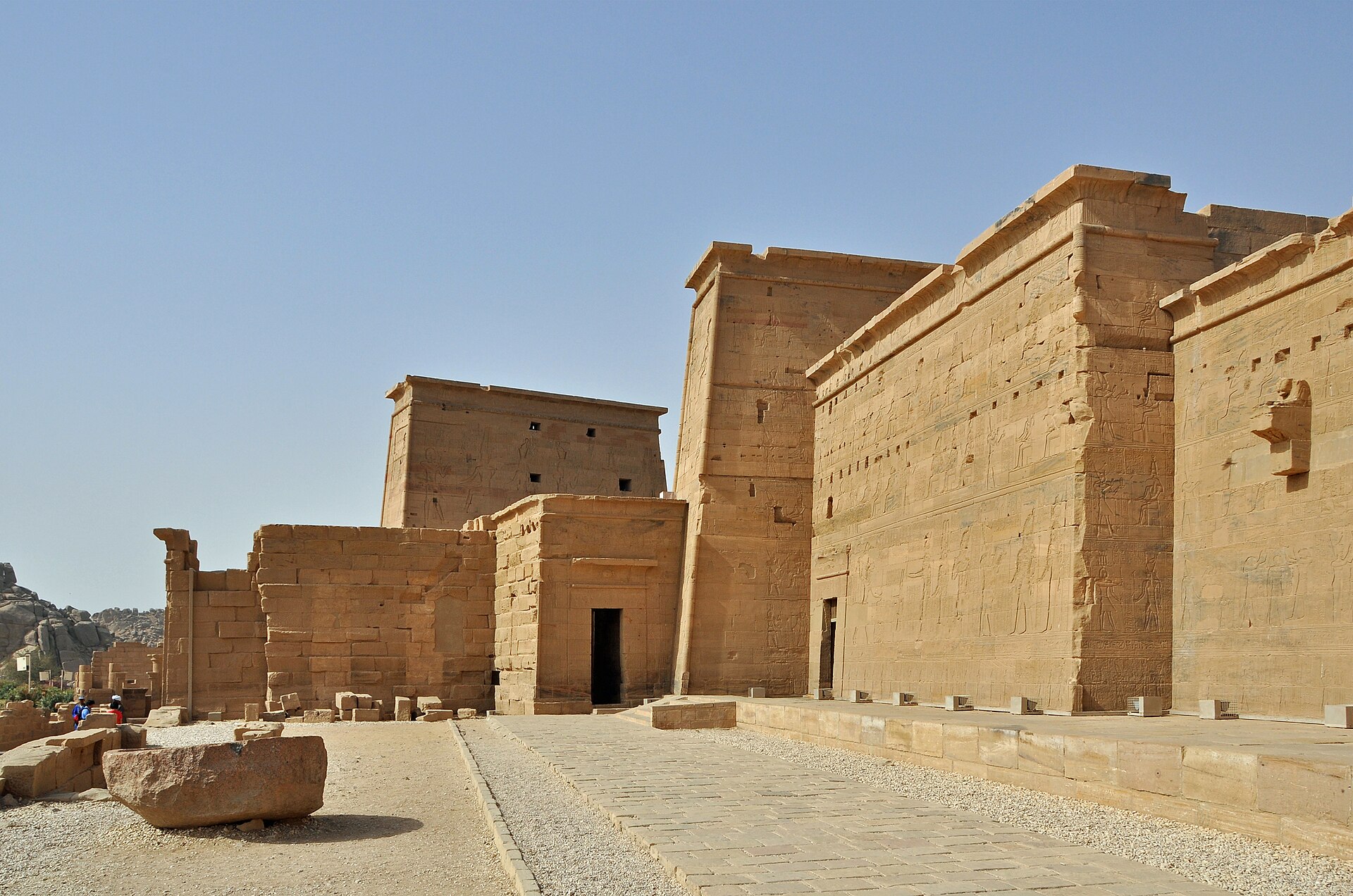
Egypt’s annual calendar runs on three overlapping cycles: the Gregorian civil calendar, the Islamic lunar calendar (which shifts about eleven days earlier each year), and the Coptic Christian calendar (a Julian-based system). Tourists planning a trip benefit from understanding when each cycle produces an event worth catching — or an event worth avoiding because of crowds or closures.
January
Cairo International Book Fair (late January – early February). One of the largest book fairs in the Arab world, held at the Egypt International Exhibition Center in New Cairo. Entry is inexpensive and the atmosphere is uniquely literary. Combine with regular museum visits in central Cairo.
Coptic Christmas (7 January). Public holiday in Egypt. Coptic churches across the country, especially in Old Cairo and Wadi El Natrun, hold elaborate services. Reasonable to attend respectfully if you dress modestly.
February
Abu Simbel sun alignment (22 February). The biannual phenomenon when the morning sun illuminates the inner sanctuary of the Great Temple, lighting three of the four statues (Amun, Ra-Horakhty and Ramses II), leaving Ptah, god of darkness, in shadow. The festival around the alignment includes music and dance from Aswan Nubian groups. Book transport from Aswan in advance — demand spikes for these dates.
March
Cairo Opera House season highlights. March is typically the heart of the classical season — opera, ballet and orchestral programmes at the Cairo Opera House on Gezira Island. Tickets are reasonable by international standards. Dress smart-casual minimum.
April
Sham El Nessim (Monday after Coptic Easter). One of the oldest continuously celebrated festivals in the world, with pharaonic roots predating Christianity in Egypt. Families picnic in parks across the country, eat salted fish (feseekh) and coloured eggs. Major sites can be crowded with local visitors but the atmosphere is warm and welcoming.
Spring weather. Daytime temperatures in Cairo around 25–30°C, Luxor 30–35°C. Excellent for outdoor archaeological visits before the summer heat sets in.
May–September
Summer heat. Daytime temperatures regularly exceed 38°C in Cairo and 45°C in Upper Egypt. Open-air monuments are physically demanding. Museum visits, Red Sea trips and Mediterranean Alexandria become better choices. Many Cairo cultural venues run reduced summer programmes. See our visitor tips on heat and hydration.
Ramadan (date shifts annually by lunar calendar). Restaurants in tourist areas remain open during daylight but local life slows considerably. Museums and monuments often shift to shorter daytime hours. Iftar at sunset is a uniquely social meal — many hotels offer special menus.
October
Abu Simbel sun alignment (22 October). The second annual alignment, mirroring the February event. October crowds are smaller than February for the same phenomenon.
Autumn season opens. Cultural calendars across Cairo and Alexandria resume after summer slowdown. Best month overall for combining cultural events with site visits — the weather has cooled noticeably and pre-Christmas tourist crowds have not yet arrived.
November
Discovery of Tutankhamun anniversary (4 November). Howard Carter’s discovery of KV62 in 1922. Many Cairo and Luxor venues host themed lectures. The Egyptian Museum sometimes runs special evening openings.
Cairo Jazz Festival. Annual event with venues across Downtown and Zamalek.
December
High season begins (mid-December). The largest seasonal volume of foreign visitors. Book accommodation in Cairo and Luxor in advance. Christmas Eve and New Year’s Eve see major hotels run gala dinners with elevated prices.
Climate at its best. Daytime temperatures pleasant for archaeological visits; evenings cool — bring layers for Karnak after sunset.
When NOT to Visit
A short editorial honesty section — periods when the experience is measurably worse and which can usually be avoided.
- July and August in Upper Egypt. Sites are open but unbearable for most non-acclimatised visitors.
- Christmas to 5 January in Cairo. Maximum tourist density at all major sites; prices peak.
- Major Egyptian school holiday week (mid-July). Coastal resorts (Hurghada, Sharm) are full of domestic visitors.
- Eid al-Adha and Eid al-Fitr days. Many monuments operate on reduced holiday hours; some smaller museums close entirely. Check our tips before booking.
For the best combination of climate and quiet, our editors recommend the second half of November and the first half of March — two windows when Egypt offers cool mornings, warm afternoons and manageable visitor numbers. Combine these dates with our ready-made day-tour itineraries for a balanced trip.
Match Your Dates to the Calendar
Tell us your travel window and we will list the events that fall within it, plus any major closures to factor in. Part of the Personalised Itinerary plan.
See Tour Plans