Family A — One school-age child, no toddlers
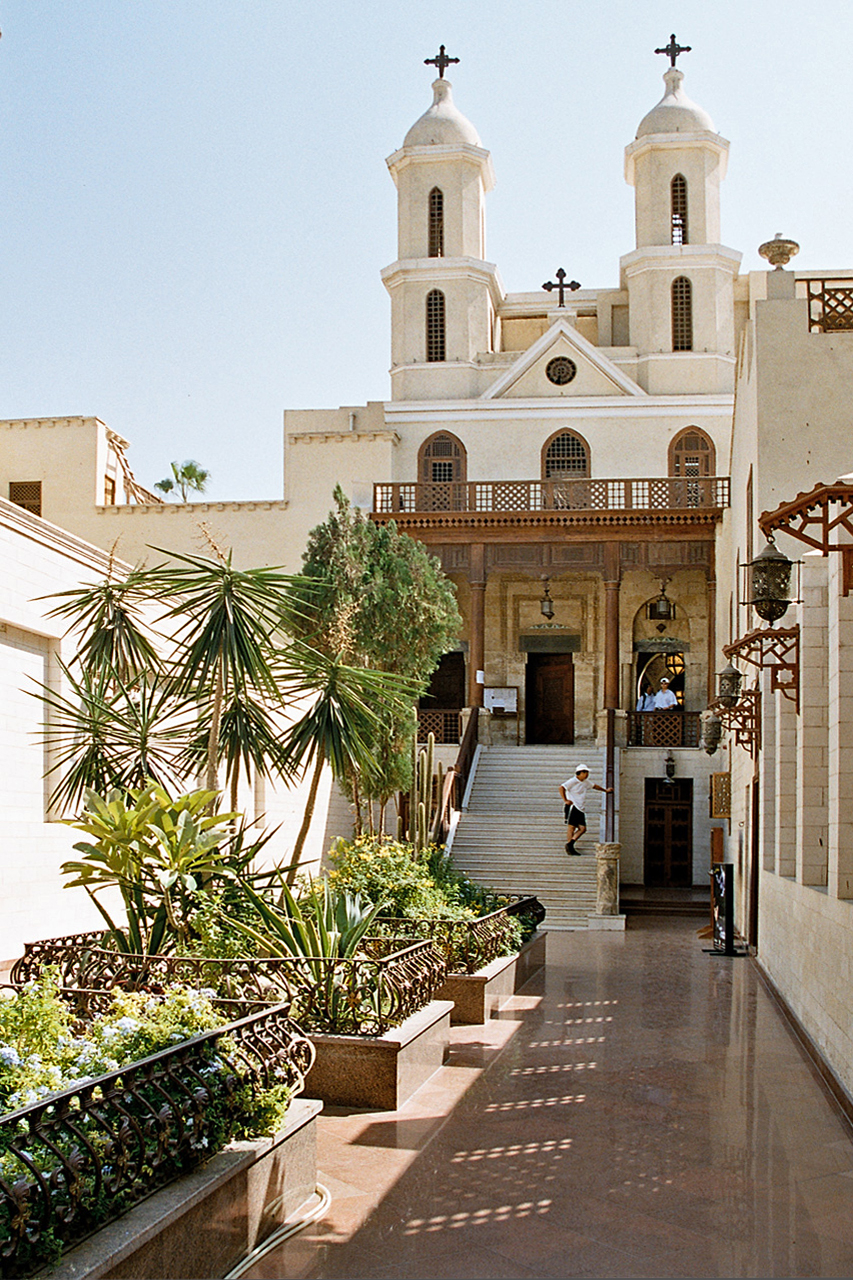
5 nights Cairo (Giza + GEM + Egyptian Museum + Old Cairo + Saqqara), 3 nights Luxor (East Bank only), 1 night Aswan, 5 nights El Gouna for water and downtime.
An honest editorial guide to visiting Egypt’s museums and excursions with children of different ages. Not every site that adults love is enjoyable for an eight-year-old; not every "family-friendly" package marketed in brochures actually is. Below: our age-appropriate selections, with the pace, the food and the bathroom realities discussed openly.
Egypt is a wonderful destination for children — the monuments are physically dramatic, the history is full of stories that children find genuinely fascinating, and the Red Sea offers a strong contrast at the end of a heritage trip. The challenges are heat, distance and pace. The recommendations below address each.
Limited monument tolerance — usually 60–90 minutes per site before energy drops. Use a structured carrier rather than a stroller (most archaeological sites have uneven ground). Hot months are not recommended for this age. Best months: November–March.
The sweet spot for an Egypt trip. Old enough to appreciate the stories, young enough to be excited by mummies, gold and pyramids. Plan for two-hour site visits with regular shade breaks.
Old enough to walk the full day, follow narrative-led visits and care about the historical context. Less stamina-limited than younger children but more demanding in terms of authentic engagement.
Travel at full adult pace. Most teenagers respond especially well to extreme contrasts — Cairo street life next to the Pyramids, the Western Desert next to the Mediterranean coast.
Food: avoid street stalls in the first 48 hours regardless of age. Hotel restaurants are reliable. Bring familiar snacks for the children's first day.
Bathrooms: in Cairo and the major resort areas, family-friendly facilities are universal. At remote archaeological sites, plan stops at hotels or restaurants before site entry. Carry tissues and hand sanitiser.
Accommodation: many Cairo hotels offer family-room configurations; book ahead in high season. For Red Sea, all-inclusive resorts in El Gouna or Sahl Hasheesh remove most logistical friction. In Luxor, hotels on the East Bank are closer to restaurants for early dinners.
Pacing: do not attempt more than one major site per day with children under 10. Build in a pool afternoon every second day. The trip should feel like a holiday, not a forced march through chronology.
Two-week templates that our editorial team uses as starting points before customising for the specific family.
5 nights Cairo (Giza + GEM + Egyptian Museum + Old Cairo + Saqqara), 3 nights Luxor (East Bank only), 1 night Aswan, 5 nights El Gouna for water and downtime.
4 nights Cairo (Giza + GEM + Pharaonic Village + felucca on the Cairo Nile), skip Upper Egypt this trip, 6 nights El Gouna with one snorkelling day. Save Luxor and Aswan for the next trip when both children are older.
Cross-reference with our day-tour collection for daily logistics, with visitor tips for tipping and heat protection, and with city guides for where to stay in each base.
Tell us the children's ages, your dates and how active everyone is — we will sketch a realistic family itinerary that works for your specific group.
Plan a Family Trip